
24/7 Autonomous Sales Systems for SaaS Buyers: How to Compare the Leading Options

24/7 autonomous sales systems have stopped being a novelty and become a category decision. The question for SaaS buyers is not whether automation can respond after hours — it is whether it can qualify intent, route the right lead, and build revenue momentum without turning into a brittle workflow. If you are comparing tools now, start with the SaaS buyer guide to evaluating sales agents and use this to narrow the category fit.

What they are
Always-on revenue workflows that capture intent, qualify leads, answer common questions, route prospects to the right owner, and book meetings with minimal human intervention across chat, email, SMS, and voice. The good ones keep humans in control of exceptions rather than routine work.
That definition earns its keep because these products sound alike and solve different jobs. Some are built for outbound creation, others for inbound qualification, others for phone conversations. A buying team that treats them as one category gets an exciting demo and a disappointing rollout.
The system that wins for a SaaS buyer is usually the one that shortens response time, preserves context, and hands off cleanly to CRM or calendar. Speed matters. So does controlled escalation.
Which vendor category fits which funnel
Comparing Artisan, Regie.ai, Air AI, Bland AI, and Intercom, do not ask which is best in the abstract. Ask which revenue motion each was built to own — that is the comparison that surfaces fit.
| Category | Best for | What to verify | Example vendors often compared |
|---|---|---|---|
| Outbound-first assistants | Prospects, sequencing, follow-up | Personalization quality, send controls, deliverability guardrails | Artisan, Regie.ai |
| Voice-first agents | After-hours calls, inbound phone leads, appointment setting | Latency, escalation rules, call handling, transcript accuracy | Air AI, Bland AI |
| Service-first conversational platforms | Support-led qualification, product-led handoff | Routing logic, context capture, human takeover | Intercom |
| Orchestration layers | Complex handoff across tools | CRM sync, workflow visibility, admin control | Usually evaluated alongside the above |
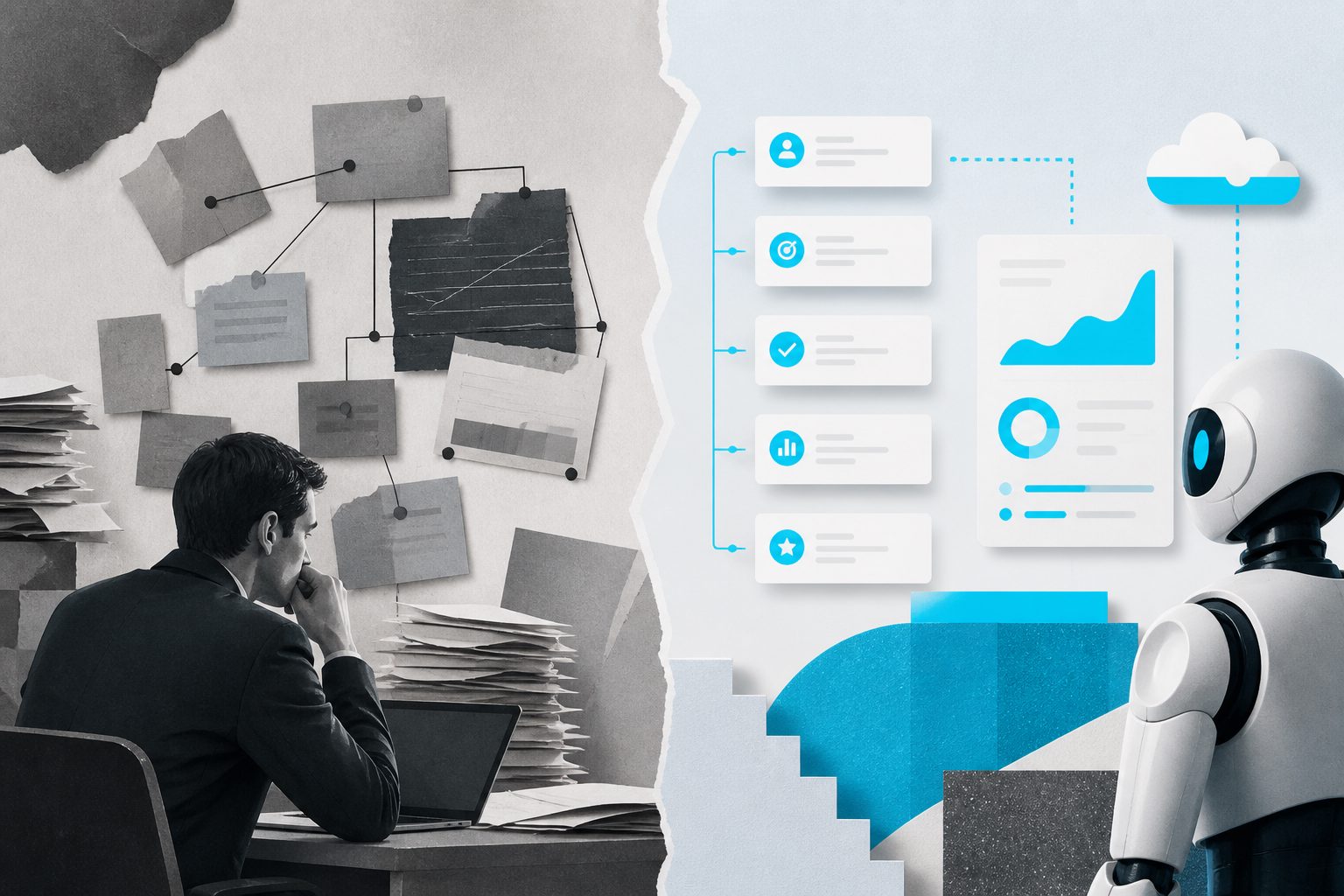
Outbound tools create opportunity. Voice tools catch high-intent demand. Service-first platforms convert traffic that already wants help. Most teams need one primary motion and one fallback path, not a stack of five.
What separates a real system from a flashy demo
Predictability, explainability, recoverability. Score five criteria on a 0–2 scale for a total of 10. Anything below 7 stays in pilot.
| Criterion | What good looks like | Why it matters |
|---|---|---|
| Coverage | Handles the full workflow, not just one message type | Reduces tool sprawl |
| Control | Clear rules, permissions, and escalation thresholds | Protects brand and pipeline quality |
| Handoff | Clean transfer to CRM, calendar, or rep | Prevents dropped leads |
| Observability | Logs, reasons, and conversation history are easy to inspect | Makes tuning possible |
| Recovery | Can handle bad data, silence, or wrong-fit leads | Keeps automation from stalling |
Coverage comes first because partial automation often creates more work than it removes. Control comes next — an always-on system fails loudly when it is not constrained. Handoff and observability decide whether you end up with operational infrastructure or another chatbot.
How to pilot in 14 days without overbuying
Small, real, measurable. You are not proving every promise; you are finding out whether the system helps your team respond faster, qualify more cleanly, and escalate with fewer mistakes. One channel, one audience, one success metric.
- Pick a single motion. Inbound demo requests, after-hours calls, or low-intent lead capture — not all three.
- Load a narrow knowledge set. Pricing rules, qualification logic, handoff triggers.
- Test historical cases first. Run 50 past conversations to see how it behaves on known inputs.
- Add a live pilot with guardrails. Start with 20 live leads, human review on edge cases.
- Compare outcomes, not demos. Response time, qualification rate, escalation quality, booking accuracy.
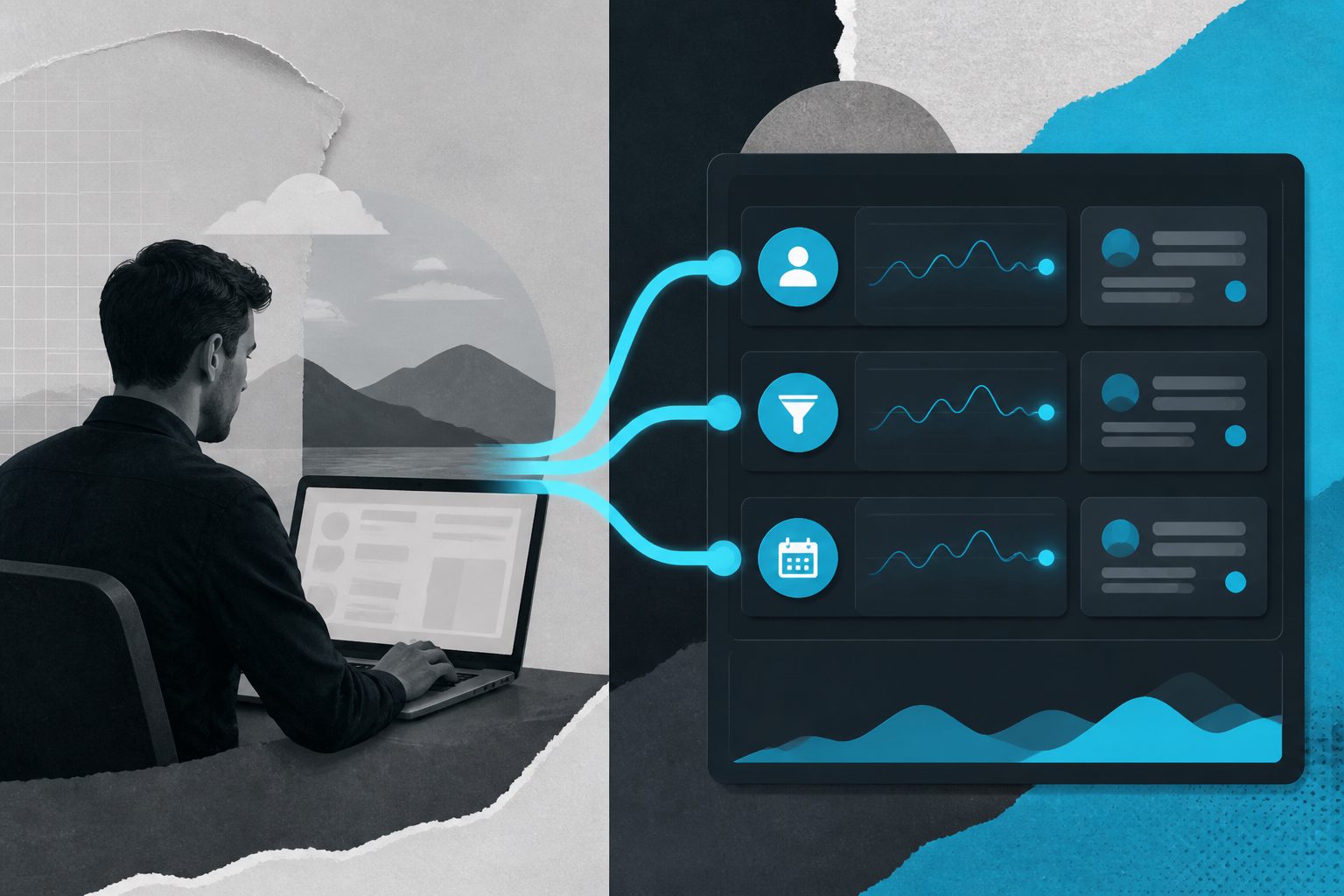
A vendor who cannot support a controlled pilot has told you more than any feature list will. It usually means the product is optimized for demonstrating capability rather than operating in your environment. For a deeper framework, the toppp.ai article on evaluating, piloting, and scaling sales agents is a useful companion.
When each approach wins
It depends on which funnel problem you need solved first.
- Outbound-first automation when the goal is creating meetings from cold or warm accounts and the ICP is already clear.
- Voice-first automation when missed calls and after-hours inquiries are leaking revenue.
- Service-first automation when support, product, and sales all touch the same buyer journey.
- Orchestration-first tooling when you already have several systems and need routing discipline more than another channel.
Overbuying starts here — teams reach for the broadest platform instead of the narrowest win. Solve one repeatable motion, prove the workflow, extend to adjacent use cases. Faster and safer than automating the whole funnel on day one.
Common mistakes that kill conversion
The big one is confusing responsiveness with revenue impact. A system can reply instantly and still waste leads if it cannot qualify, prioritize, and hand off with context.
Buying for internal convenience over buyer experience is the next. A conversation that feels scripted, repetitive, or hard to exit can lower conversion even while the automation looks busy.
Then there is recovery. Real buyers ask odd questions, go quiet, change intent midway. A strong system recovers gracefully instead of forcing a dead end.
And governance. Somebody has to own prompts, routing rules, review queues, and exception handling. Without that owner, the system stays a launch rather than becoming an operating layer.
For product framing and company context, the toppp.ai home page is the simplest starting point.
FAQ
Are these the same as chatbots?
No. Chatbots answer questions. Autonomous sales systems try to move the deal forward by qualifying, routing, and booking. The difference is operational ownership, not conversation quality.
Do they replace SDRs?
Usually not. They cut repetitive work and capture demand outside business hours. Complex qualification, relationship building, and multi-threaded deals still need people.
What metrics should I track in a pilot?
First response time, qualification rate, booking rate, escalation accuracy, and how often the system finishes a conversation without a human rescue. That last one is the leverage signal.
Should I start with voice or chat?
Start where the leakage is. Missed calls point to voice; cold website leads point to chat or email. The channel follows the bottleneck.
How do I compare vendors without getting trapped in demos?
The five-part scorecard — coverage, control, handoff, observability, recovery — then a small pilot with real leads and known cases. More reliable than feature-by-feature theater.
Bottom line
The strongest systems here are not the loudest or the most general. They fit one funnel motion, hand off cleanly, and stay understandable when something breaks. Choose the category first, then the vendor.
Practical next step: use the evaluation guide linked above, score two or three candidates against identical criteria, and pilot the one matching your actual revenue motion.
Keep reading

SaaS Vendor Source Code Escrow Clause: Buyer Negotiation Guide
A SaaS vendor source code escrow clause should cover code, cloud deployment, data export, testing, and release triggers. Use this buyer checklist to negotiate continuity protection.

SaaS Contract Breach Cure Period Standard: Buyer Benchmarks and Clause Terms
Learn the SaaS contract breach cure period standard, including 5-, 10-, 15-, and 30-day benchmarks, carve-outs, notice rules, and buyer protections.

SaaS grandfathered pricing policy review: A buyer’s renewal checklist
SaaS grandfathered pricing policy review for buyers: identify hidden repricing triggers, test renewal language, and negotiate defensible price protection.