Best AI Sales Agents in 2026: Which Tool Fits Your Sales Motion?

The best AI sales agents are not interchangeable. Some are built to book meetings at scale, some to qualify inbound demand, some to coach reps or sharpen forecasting. Pick the wrong one and you generate activity without pipeline.
A strong buying decision starts with motion, not brand — and the timing matters, because this category is moving fast in both directions. LinkedIn’s Sales Leader Compass report says sales teams are already adopting agents in volume, while Gartner warns that more than 40% of agentic AI projects may be canceled by the end of 2027 if business value and controls stay unclear. For a baseline on how vendors define the category, Salesforce’s AI sales agents guide is worth reading first.
What most roundups miss
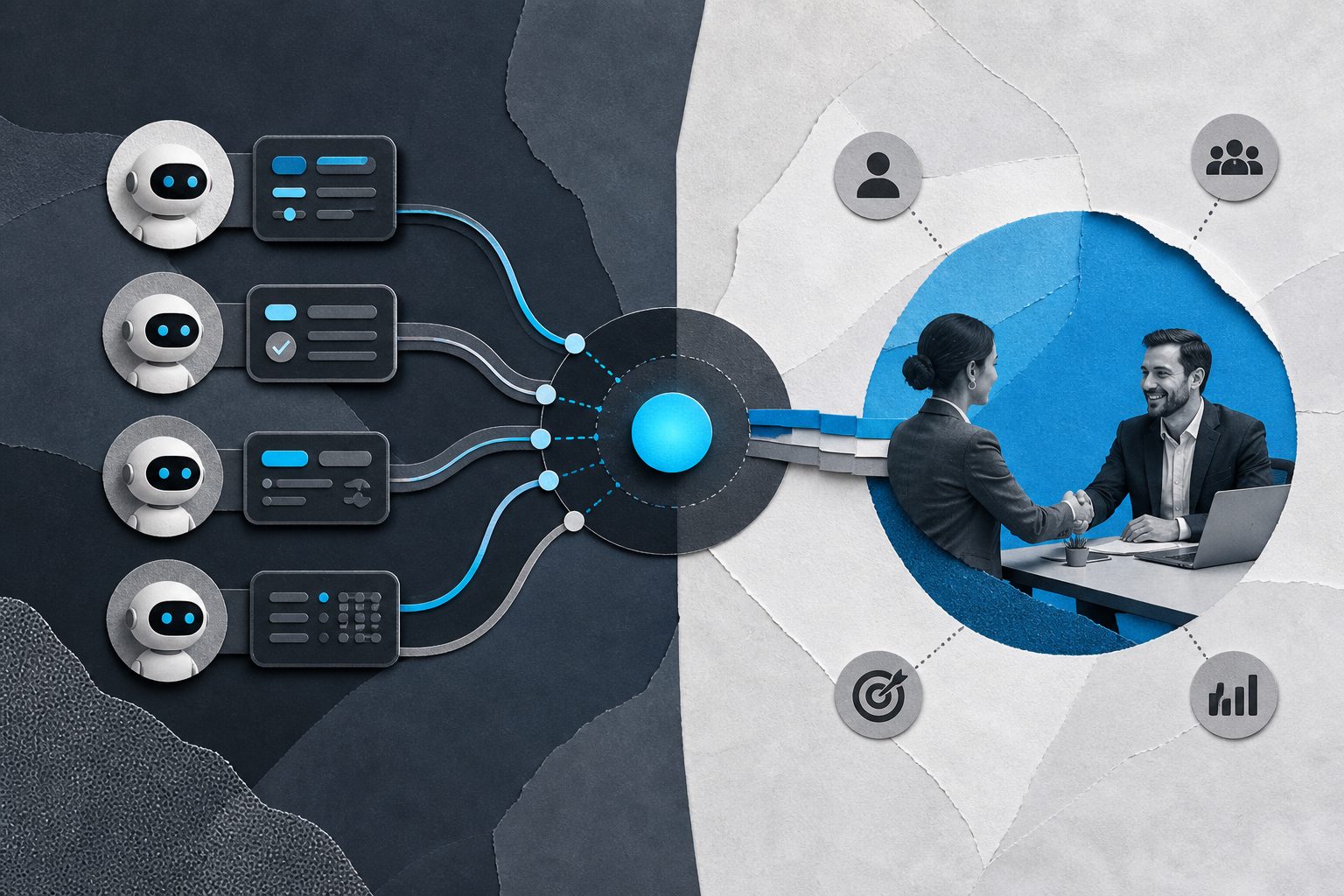
Lists rank products. Buyers need a fit test. A tool can look impressive and still fail because it does not match your funnel, your data quality, or the point where humans have to take over.
That is the gap across most vendor-heavy search results. Features, price, and “best for” labels get covered; three buying questions rarely do. What does the agent actually own? What data does it need? Where does the handoff happen? Salesforce’s guide frames real agents as autonomous systems grounded in sales data, and Gartner’s warning is a reminder that agent washing is common and production failures are expensive.
The lens that works: choose the agent that removes the highest-value bottleneck, not the one with the loudest demo.
The best AI sales agents by sales motion
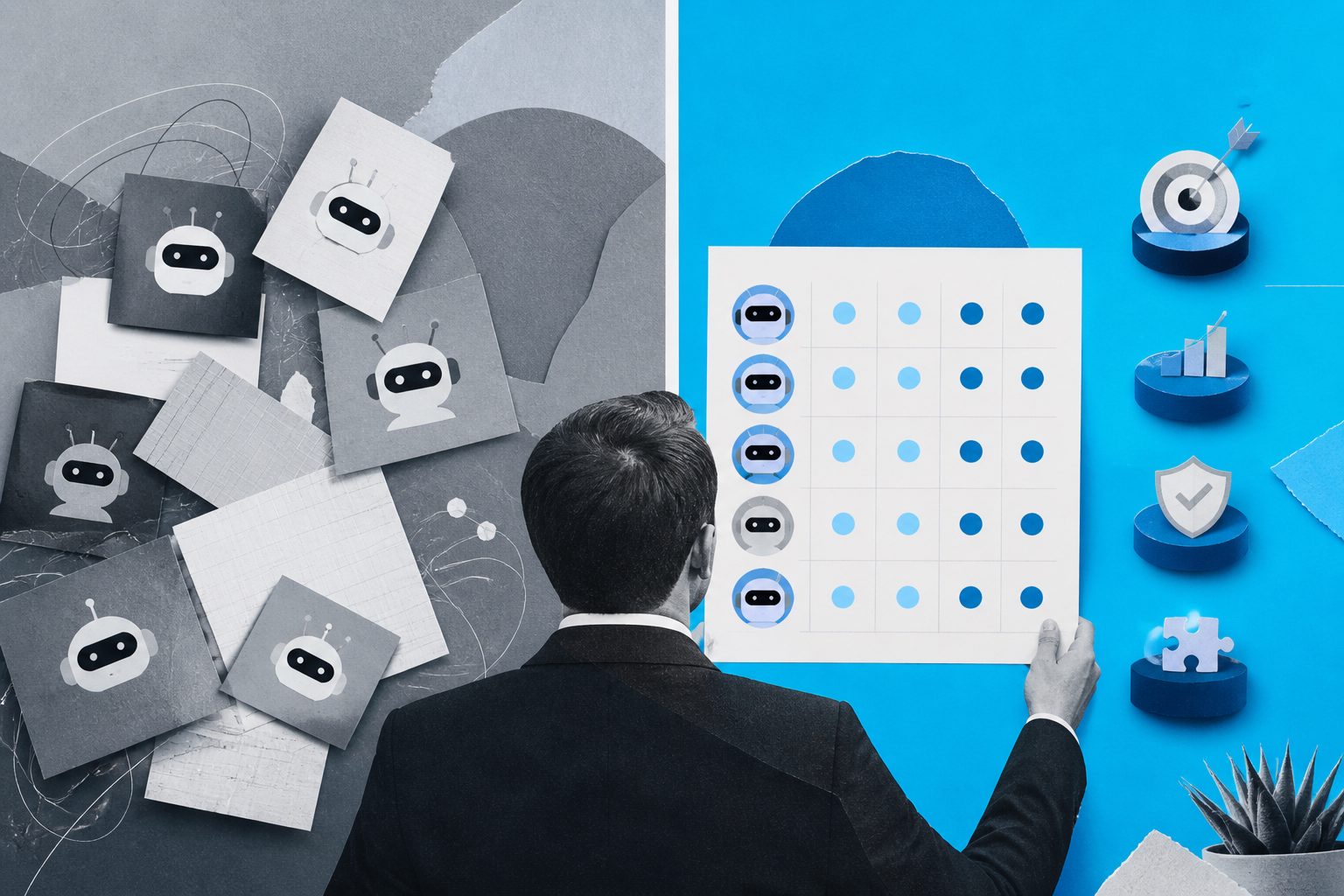
They cluster into a few jobs-to-be-done. Narrow the field with this before booking demos.
| Tool | Best for | What it does well | Watch out for |
|---|---|---|---|
| 11x (Alice) | High-volume outbound teams | Automates prospecting and follow-up across a structured outbound motion | Needs a clear ICP and enough volume to justify the workflow |
| Artisan (Ava) | SMB and mid-market outbound | Fast setup and built-in prospecting data for teams that want a simple AI SDR path | Usually stops at the booked meeting |
| Qualified (Piper) | Inbound web traffic and demo routing | Strong for qualifying visitors and converting high-intent inbound demand in real time | Best when traffic is already meaningful |
| Salesforce Agentforce | Salesforce-native teams | Strong governance, CRM grounding, and multi-step actions inside the stack | Most compelling if Salesforce is already your system of record |
| Outreach AI | Enterprise revenue teams | Rep coaching, deal health, and forecasting inside an established engagement platform | More assistive than fully autonomous |
| Salesloft AI | Teams that want engagement plus pipeline visibility | Good for orchestration, coaching, and forecasting in one place | Buyer-facing automation is narrower than its rep-side value |
| Apollo.io | Lean SaaS teams | Combines data, enrichment, sequencing, and AI assistance in one stack | Better as an outbound engine than a true conversational agent |
| Conversica | Lead reactivation and persistence | Useful for working stale leads, old MQLs, and event follow-up at scale | Narrower use case than full-funnel agent platforms |
| toppp.ai | Shortlisting and comparison | Helps buyers compare the best ai sales agents by use case, autonomy, and risk before demos | Not an execution layer; use it to narrow choices |
The practical takeaway: outbound scale, inbound speed, coaching, and CRM-native orchestration are four different purchases. Lead leakage after the form fill points to Qualified or Agentforce rather than a pure outbound AI SDR. SDR bandwidth points to Apollo, Artisan, or 11x.
A buyer scorecard that filters out hype
Score the workflow, not the pitch deck. Six tests before anything gets a pilot.
-
Ownership test
Does the agent own a real step, or only draft suggestions? A true agent qualifies, routes, follows up, or triggers the next action without constant approval. -
Data grounding test
Can it work on your CRM, web, call, and product data? Agents that depend on clean demo data break on real records within days. -
Handoff test
Where does the human step in? Good setups make this explicit — the agent owns low-risk work, humans own exceptions, pricing pushback, and deal rescue. -
KPI test
Name one metric that matters in 30 days: time-to-first-response, meetings booked per 100 leads, qualified meeting rate, or rep hours saved. -
Channel-fit test
Does it match how your buyers actually engage — email, chat, voice, multi-channel? A voice-first agent does not substitute for inbound web qualification. -
Governance test
Can legal, security, and RevOps live with it? Not being able to explain permissions, auditability, and escalation rules means the rollout is premature.

How to run a 30-day pilot without wasting budget
Narrow, measurable, tied to one funnel leak: one ICP, one use case, one owner, one success metric.
Week 1: Baseline the workflow.
Document the current process, response times, conversion rates, rep time spent. A team that cannot describe the manual version clearly will not be able to judge the agent.
Week 2: Connect only the data the agent needs.
Minimum CRM fields, routing rules, and message library required to do the job well. Nothing more.
Week 3: Launch on a limited segment.
One segment of inbound leads, one outbound list, or one product line — which is what makes real improvement separable from noise.
Week 4: Compare against baseline.
Qualified meetings, speed-to-response, rep time saved. Salesforce’s State of Sales 2026 report says 84% of sellers using AI save at least 30 minutes on routine tasks, a useful benchmark for the time dimension. Time alone is not the test — pipeline quality has to move too.
An agent that saves time without improving meetings or conversion is a workflow tool, not a revenue tool.
Which setup fits which scenario
It depends on where the bottleneck sits.
- Early-stage SaaS with no SDR layer: Apollo or Artisan, if you need data plus outbound in one place.
- Mid-market SaaS with strong inbound demand: Qualified, if speed-to-lead is the leak.
- Salesforce-first enterprise SaaS: Agentforce, when governance and CRM-native execution matter most.
- Enterprise teams focused on rep quality: Outreach AI or Salesloft AI, usually a better fit than a pure autonomous SDR.
- Teams sitting on stale pipeline: Conversica, for dormant leads human reps never reach.
The recurring mistake is buying for the future state instead of the current bottleneck. A team that needs better qualification does not need a full outbound engine on day one.
For product context on our own approach to this problem, start at the toppp.ai homepage.
Common questions
Are AI sales agents the same as chatbots?
No. Chatbots answer or route. AI sales agents decide, act, and follow a workflow using sales data.
What is the best AI sales agent for outbound?
No universal winner. For volume, 11x, Apollo, and Artisan are common starting points. For targeted outbound where signal-based personalization matters, Amplemarket is stronger.
What is the best AI sales agent for inbound SaaS?
Qualified is the usual first stop for high-intent web traffic. A stack already deep in Salesforce makes Agentforce the more natural fit.
Can they replace SDRs?
They replace parts of the SDR workflow, not the role. Good deployments remove repetitive work so reps spend more time in live conversations and deal progression.
What should I measure first?
One leading metric and one quality metric. Speed-to-first-response paired with qualified meeting rate works well.
Shortlist by motion fit, pilot narrow, expand only when the numbers justify it.
Keep reading

SaaS Vendor Source Code Escrow Clause: Buyer Negotiation Guide
A SaaS vendor source code escrow clause should cover code, cloud deployment, data export, testing, and release triggers. Use this buyer checklist to negotiate continuity protection.

SaaS Contract Breach Cure Period Standard: Buyer Benchmarks and Clause Terms
Learn the SaaS contract breach cure period standard, including 5-, 10-, 15-, and 30-day benchmarks, carve-outs, notice rules, and buyer protections.

SaaS grandfathered pricing policy review: A buyer’s renewal checklist
SaaS grandfathered pricing policy review for buyers: identify hidden repricing triggers, test renewal language, and negotiate defensible price protection.